
Goldman Sachs Delivers Surprising Verdict on Big Tech Stocks

Goldman Sachs Delivers Surprising Verdict on Big Tech Stocks
Wall Street's biggest technology stocks are losing one of the defining characteristics of the past several years: their hefty valuation premium over the rest of the S&P 500.
Goldman Sachs Research says the forward price-to-earnings multiples of the market's largest companies have fallen sharply and are now converging toward the valuation of the other 495 stocks in the S&P 500.
The shift is notable because mega-cap technology companies historically commanded much richer multiples, reflecting faster growth, dominant competitive positions and enormous free-cash-flow generation.
Goldman points to two major pressures: a higher cost of capital and dramatically greater capital intensity.
Companies including Microsoft MSFT, Amazon AMZN, Meta Platforms META and Alphabet GOOGL are committing enormous sums to artificial-intelligence infrastructure, including data centers, chips and power capacity.
Those investments may support substantial future growth, but they also consume cash today.
At the same time, higher borrowing costs reduce the present value investors assign to future earnings and cash flows.
The result has been a significant valuation de-rating among Wall Street's largest companies.
The narrowing valuation gap creates an unusual setup.
Mega-cap technology stocks may no longer carry the valuation premium investors often associate with them, even though many still have superior growth profiles and exposure to the AI infrastructure boom.
That could strengthen the bull case if AI spending begins producing faster revenue and earnings growth.
But the cheaper relative valuation also reflects a legitimate concern: these businesses are becoming substantially more capital intensive.
Investors should therefore focus less on headline AI spending and more on the returns generated from that spending.
If Microsoft, Amazon, Meta and Alphabet can convert massive infrastructure investments into sustained earnings growth, today's lower relative multiples could eventually look attractive.
If returns on AI capital disappoint, however, the disappearance of the valuation premium may prove justified rather than an opportunity.
The key takeaway from Goldman is that mega-cap tech is no longer priced as dramatically different from the rest of the market. Now the companies have to prove their growth deserves to be.
Related Stories
 Stocks & Markets
5 European success stories investors initially passed on
7 hours ago
 Stocks & Markets
Can BWX Technologies' Nuclear Manufacturing Expansion Support Growth?
1 day ago
 Stocks & Markets
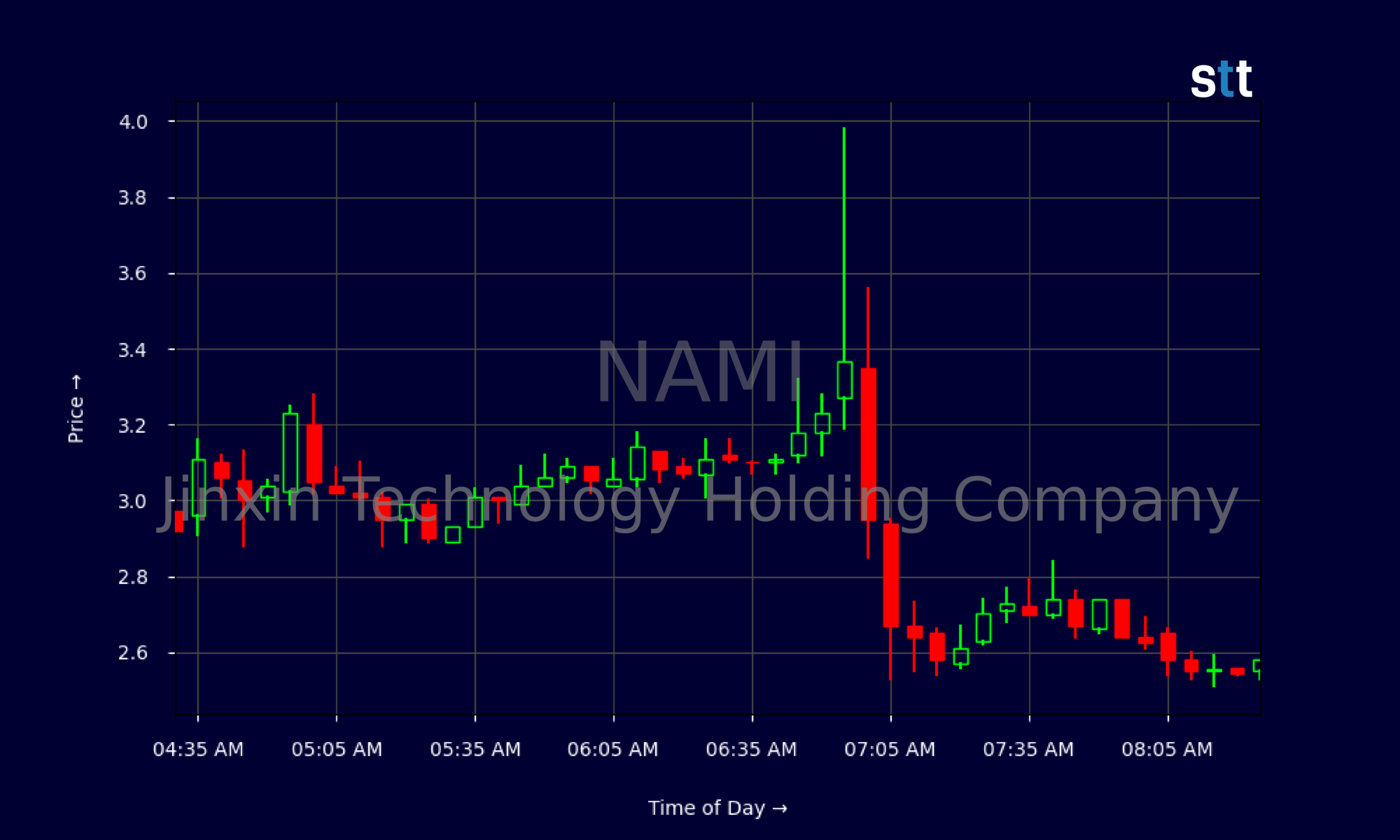
NAMI Stock Draws Trader Focus After Sharp Intraday Reversal
1 day ago
 Stocks & Markets
Market sees biggest fall in 11 months, crashes over 2%; what should SIP investors do?
2 days ago
 Stocks & Markets
How investors can distinguish market expertise from independent investment analysis
2 days ago
 Stocks & Markets
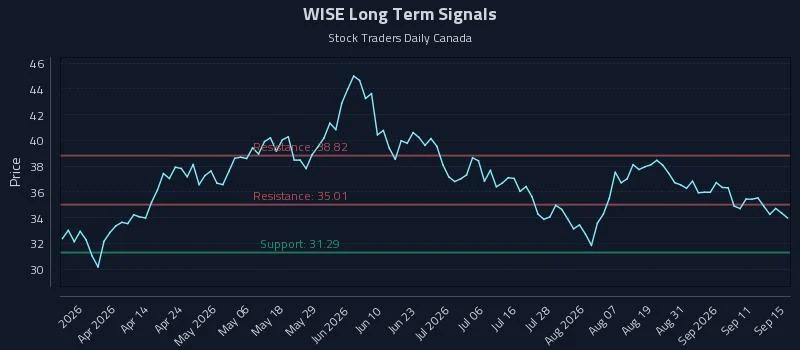
Precision Trading with Themes Generative Artificial Intelligence Etf (WISE) Risk Zones
2 days ago
 Stocks & Markets
'Liberation Day' in Retrospect: 6 Things That Surprised Investors
3 days ago
 Stocks & Markets
Jamie Dimon says market risks are 'bigger than people think'
5 days ago