
Outgrowing the home office: Guide for expats & startups in the Netherlands
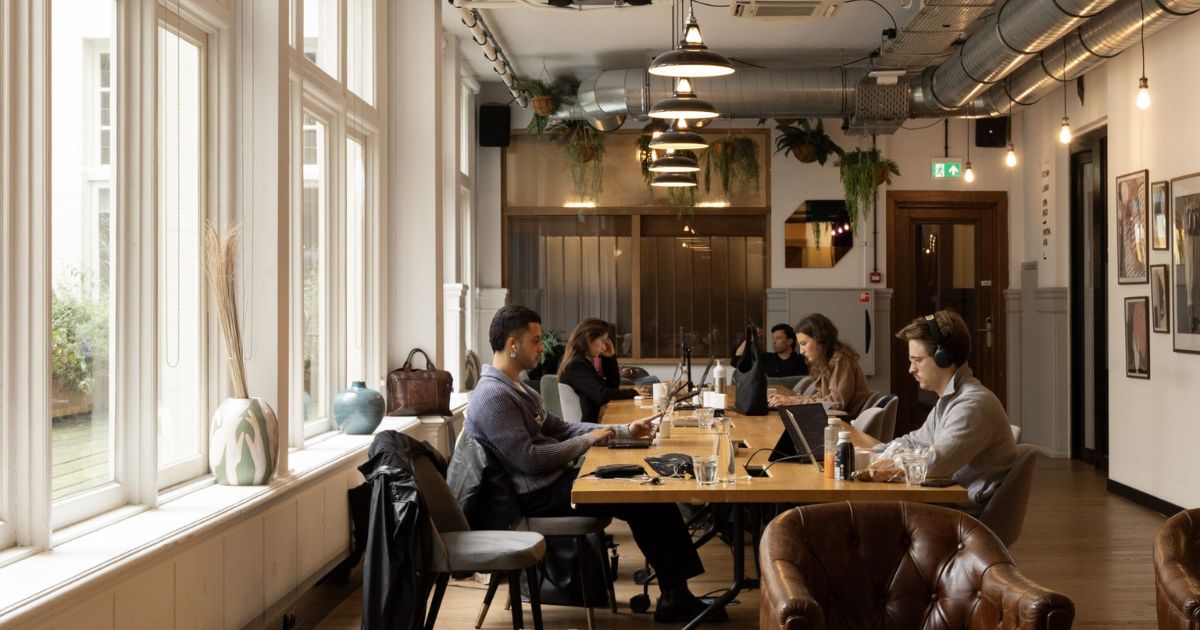
Why shared workspaces are better for expats & startups in the Netherlands
The novelty of working from home usually wears off the moment you realise your kitchen table is covered in coffee rings, your laptop fan sounds like a jet engine, and your cat has become your primary business consultant. For freelancers and small startup teams squeezed into Dutch apartments, living where you work often ends up feeling dangerously like living at work.
Escaping this cycle requires a clear physical separation between home and professional life. According to Tiago de Sousa, a Marketing Manager at Mindspace who is also an expat, moving to a dedicated workspace is primarily about rescuing mental clarity.
"Coming into a shared workspace creates a much healthier separation between work and personal life. Plus, you get the energy of being around other people, and there’s a natural rhythm to the day," he says.
Reclaiming the boundary between work and home
Establishing a daily routine is often the missing ingredient in hybrid work. The simple act of stepping out the front door, cycling along a canal, or taking a short morning stroll provides a psychological buffer zone. It allows the mind to transition into focus mode before opening a single spreadsheet, leaving stress behind on the journey home.
According to De Sousa, the daily commute can act as a vital reset button. "Even if your commute is only 20 or 30 minutes, that journey gives you a transition between home and work," he explains. "By the time you arrive, you are in a work mindset, and when you leave, you have a much clearer opportunity to switch off."
A dedicated workspace also sharpens daily productivity by removing the low-level noise and distractions of a residential setting. When tasks are finished efficiently in a focused environment, stepping away at the end of the afternoon becomes natural rather than forced. "You are much less likely to think, "I will just answer one more email" when your office is no longer sitting in the next room," De Sousa adds.
Building an English-first network in a new country
Beyond restoring personal structure, working in isolation cuts professionals off from the informal encounters that spark actual business growth. Trying to build a local client base or find partners purely through cold emails and online freelance platforms often feels transactional and sluggish, particularly for new arrivals navigating the market in the Netherlands.
Physical, community-driven environments offer a far more natural alternative when you're trying to adapt to a new country or grow your business. Boutique working spaces and flexible community hubs, like Mindspace, that maintain an English-first policy across all communication and events create an accessible space where international founders, satellite team members, and independent consultants mingle without language friction.
"For someone who has just moved to the Netherlands, having an English-speaking community around you removes a massive barrier," De Sousa explains. "Breakfasts, happy hours, talks, and community events give people a genuine reason to step away from their desks and have conversations they might otherwise never have."
These informal gatherings, including regular community hours and social breaks, replace rigid networking protocols with casual interaction. A chance conversation over barista coffee can quickly turn into a business collaboration or a helpful local tip.
"A coworking community becomes that essential first layer of connections," De Sousa says. "It is full of people who can recommend a local restaurant, introduce you to an industry contact, or explain how something works in the Netherlands."
Scaling a business in the Netherlands without long-term risk
Establishing or expanding a regional hub in the Netherlands introduces a distinct commercial challenge for growing companies: navigating the local real estate market. Traditional office leases in major Dutch cities are notoriously rigid, often demanding multi-year commitments that lock startups and international branches into fixed footprints long before their long-term needs are clear.
Committing to a traditional lease based on optimistic headcount projections can quickly turn an office into a heavy financial burden. Scaling a business in a new market requires agility, and international teams need the room to pivot as conditions change.
"One of the biggest mistakes international companies make is committing to an office before they really understand what their business will look like in the Netherlands," De Sousa observes. "You might arrive with a team of five and assume you will be 20 people within a year, but growth does not always happen in a straight line. A traditional lease locks you into decisions based on assumptions rather than reality."
Switching to a flexible workspace model removes the friction of long-term real estate commitments. Companies can launch with a private suite for a core team of four and seamlessly expand up to 40 people as headcount grows, entirely avoiding furniture procurement, IT setup, and multi-year lease negotiations.
"Flexible workspace gives companies the ability to treat their office more like a business tool rather than a fixed asset," De Sousa explains. "You can adapt your footprint as your needs change, keeping your focus squarely on building the business."
Finding the right workspace in the Netherlands
Establishing a proper headquarters for a growing team or finding an inspiring place to work as an independent consultant does not have to be complicated. Work should feel energising, not like an exercise in real estate logistics or domestic friction.
Across prime locations in Amsterdam and central Utrecht, Mindspace pairs private suites and historic boardrooms with top-notch espresso and an English-speaking community where people actually talk to each other.
As an added bonus for mobile freelancers and international teams, membership also grants access to flexible workspaces across Mindspace's global network in Europe and North America. "Your working environment should adapt to your day, rather than your day having to adapt to your office," De Sousa notes. "We simply want our members to feel supported, comfortable, and energised."
If your laptop fan needs a break or your team has outgrown virtual catch-ups, stepping into a physical space is the best way to see if the vibe fits. You can book a free tour at Mindspace in Amsterdam or Utrecht today.
As an exclusive bonus, IamExpat readers can claim 25 percent off day passes and memberships by using the code "IAMEXPAT25" at checkout online, or by mentioning it to reception staff when visiting in person.
Related Stories
 Startups
Mars
9 hours ago
 Startups
New book released by Open Range celebrates 40 Nebraska startups and the wider state ecosystem
13 hours ago
 Startups
Dallas VC firm Disruptive is targeting a $10 billion megafund after Groq bets pay off
21 hours ago
 Startups
Anthropic Expands Discounts and Support for Founders
1 day ago
 Startups
Brazil’s cat boom gives local startups a shot at Leap Venture Studio’s Cohort 11
1 day ago
 Startups
Anthropic expands Claude Startups program in bid to snag founders and fast
1 day ago
 Startups
Whole Foods Market seeks next wave of startups
1 day ago
 Startups
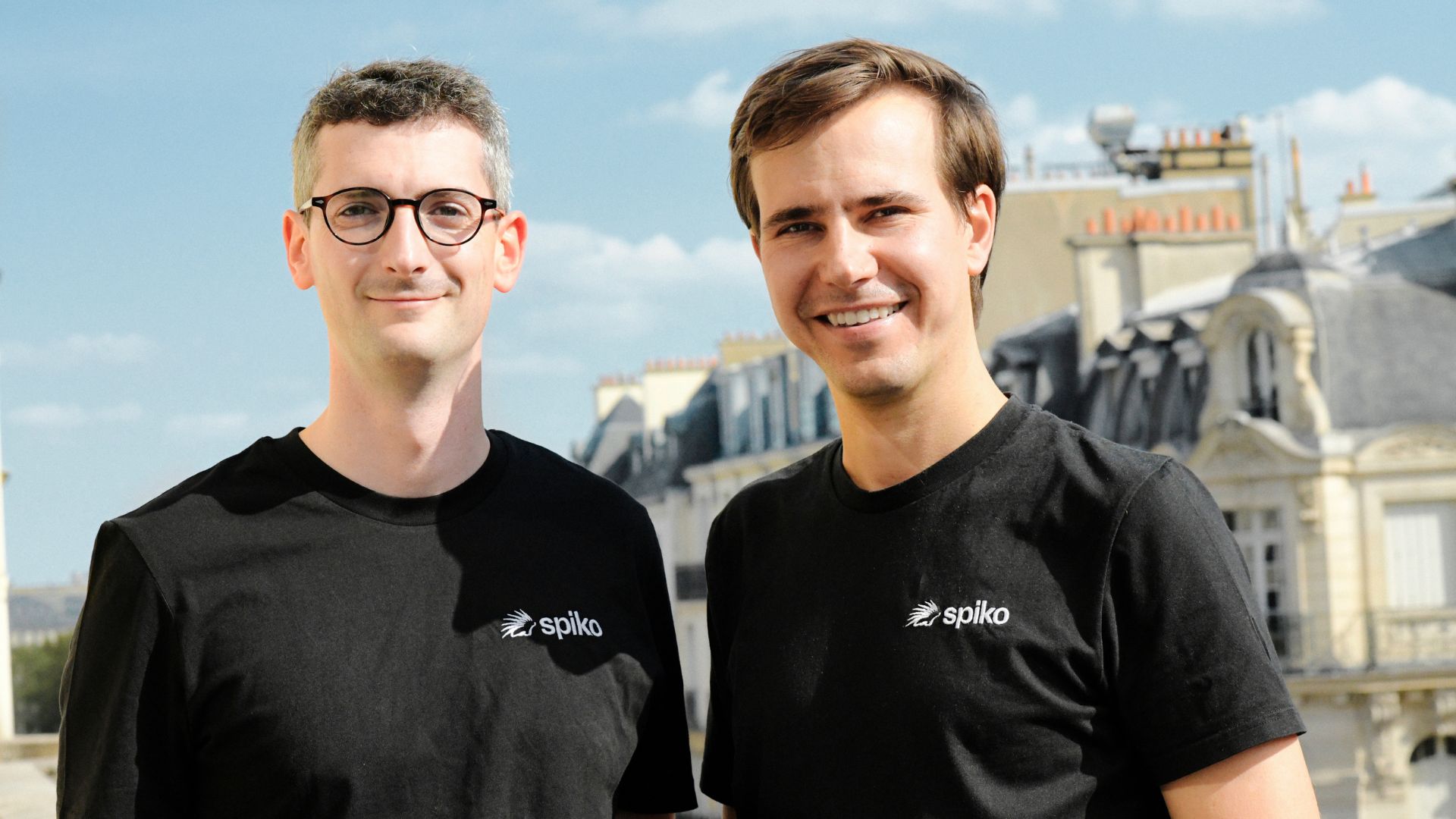
Paris- and London-based Spiko raises nearly €80 million to help businesses and individuals put idle cash to work
1 day ago