
UVic social researcher recognized for contributions to Canada
UVic social researcher recognized for contributions to Canada
Published 9:45 am Wednesday, July 15, 2026
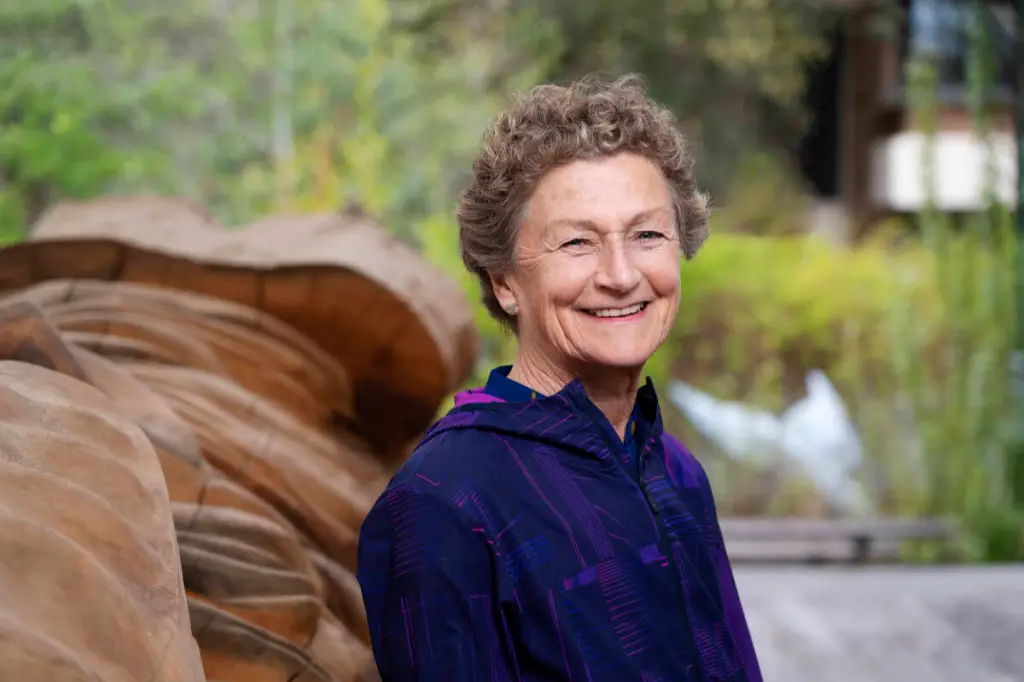
UVic researcher Cecilia Benoit receives Order of Canada title for her contribution to research in stigmatized social topics such as sex work, expanding midwifery, and supporting vulnerable youth. (Courtesy of UVic)
A local researcher is making headlines for being recognized with one of the most prestigious awards in Canada, awarded to individuals who have made extraordinary contributions to the country.
Longtime University of Victoria researcher and sociologist, Cecilia Benoit, recently received an appointment at the Officer (O.C.) level to the Order of Canada title.
Benoit, who joined UVic in 1989, bravely researched stigmatized topics in society, such as sex work, expanding midwifery, and supporting vulnerable youth. Her other work focused on social equity in employment, health and health care for people who face structural disadvantage and unfair treatment in Canadian society. These groups include midwives, childbearing women desiring access to non-medical health care, street-involved youth in transition to adulthood, pregnant women confronting substance use, poverty and housing insecurity, and adults who sell sexual services.
Speaking to Saanich News, Benoit said she was thrilled when she received the news that she was a recipient of the Order of Canada.
“Oh, it was a wonderful feeling. I was humbled by the decision to give me this award, and I felt like the work I had done in communities and with the different groups who were marginalized in Canadian society over the years was also being recognized and given some positive view,” she said.
While going down memory lane, Benoit remembered facing countless challenges in her journey when she was conducting extensive research about marginalized communities that no one dared to talk about.
Although she could classify the various challenges she faced, the biggest one, the researcher said, came from within herself.
Speaking about how she got into doing research about marginalized communities, she said, once she moved to Victoria, she was assigned to help an established organization develop a research question about sex work to help them get a community grant.
“I had never worked with sex workers before, so I said, yeah, I will help you to get the question, to develop the question,” she said.
Once she started conducting the research, she realized her own prejudice and became aware of the stigma she held towards them.
“And then when I got to work with them, I had to really work with my own feelings. And then we became close friends.”
Working closely with them, she realized that their work was not any different than any other worker who is trying to make a living, trying to deal with working conditions.
“So that was really a lot of learning for me. And then when I started to do research more in sex work, I realized how stigma was so strong in society against them, how, you know, people did not see them as real workers and had all kinds of prejudice against them.”
A lot of research she conducted over the years tried to shed light on the prejudice society had towards sex workers.
Having taken a path less travelled by diving into the issues of marginalized people, Benoit said Greater Victoria still has such issues that are inadequately addressed.
The researcher revealed that although midwifery is now widely recognized, legalized and publicly funded, Indigenous midwives are still struggling to practice.
“I think there are still lots of challenges while working with governments to try and expand those services.”
She added that there is still a lot of work that needs to be done for children who are in government care, and how services can be expanded so that they reach them. She said that education, housing and employment, access to health care are still areas that are challenging for such youth.
She also recognized drug abuse as an issue among youth under 18 in Greater Victoria.
Benoit is adamant that to address the issues, more community-based research should become a bigger part of the research sector and that it should receive funding.
“The more you work in a community, the better chances you’re going to have that the research will have an impact rather than just stay in the journals and in the books.”
“I think one of the big lessons really is… get into the community early on, work with people, and there are lots of wonderful people who know what’s happening on the ground who know what the challenges are. “
Benoit is currently mentoring a new generation of early-career professionals.
Related Stories
 Canada
As Canada tariff talks collapse, who’s calling the shots in Trump’s trade team?
54 minutes ago
 Canada
Oshawa plant adds truck as unionized Canadian GM members ratify new deals
55 minutes ago
 Canada
Local journalism is going extinct in Canada
55 minutes ago
 Canada
Could Ford's fight with Trump swing key byelections to the PCs? Experts weigh in
1 hour ago
 Canada
Voters head to the polls for 3 federal byelections in Ontario, Quebec and B.C.
1 hour ago
 Canada
BC Conservative Party in turmoil
2 hours ago
 Canada
Trump Rages at Canada After Leader’s Embarrassing Lake Diss
2 hours ago
 Canada
The US
2 hours ago