
Where things stand in negotiations as punishing new U.S. tariff looms on Wednesday
See more Toronto Sun on Google — save as a Preferred Source
Don't have an account? Create Account
With damaging new U.S. tariffs set to be imposed on a wide range of Canadian goods within days, trade talks between the once chummy allies have heated up again.
President Donald Trump announced last month that the U.S. would slap a 50% levy on $28 billion worth of goods starting on Wednesday with the White House saying that it would affect everything from “wine to hockey sticks to cement.”
Although the U.S. plans to exclude things like energy, potash, critical mineral and fish imports, many of the new tariff-affected goods are compliant with the Canada-U.S.-Mexico Agreement on free trade and that should prove costly for businesses and consumers on both sides of the border with Ontario and Quebec especially at risk.
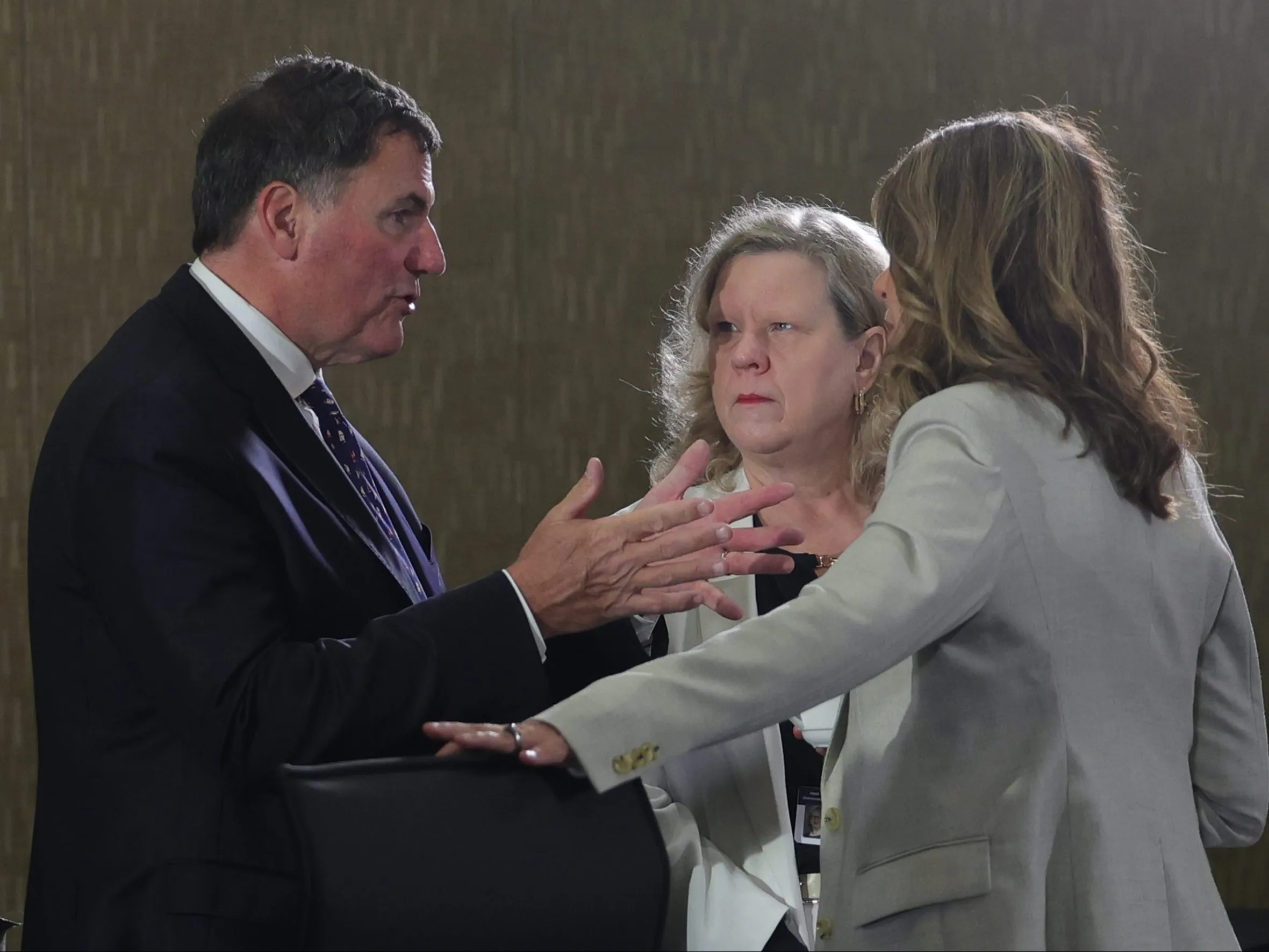
The Wednesday deadline sparked a fresh round of trade talks described as “constructive” last week with Internal Trade Minister Dominic LeBlanc, who is also responsible for Canada-U.S. trade, and chief negotiator Janice Charette meeting with their counterparts in Washington, D.C.
While there is still time to strike a deal that is somewhat palatable to both countries, now would be a good time to rehash how we got here and who will be affected:
Trump, who was in power when the CUSMA was drafted in 2018, has been on the warpath to reduce the U.S. trade deficit and boost his country’s manufacturing power since his first term and that has only increased since taking office for a second time in January 2025, coinciding with an effort to broadly cut American taxes.
He announced the first tariff regimen against Canada and Mexico in February 2025, citing what he said were issues at the border concerning the flow of migrants and drugs, and targeted other countries as well despite some of those tariffs being delayed or challenged in court.
Then last month after announcing that they were not renewing the CUSMA in its current form, the White House unveiled a new slate of tariffs on hundreds of Canadian goods that are set to take effect on Wednesday.
They cited Canada’s retaliation against previous U.S. tariffs, provincial bans on American alcohol and what they said were discriminatory measures against U.S. motor vehicles and dairy products as reasons.
“This is not a trade war with Canada, these are defensive measures,” a senior White House official told reporters in a conference call last month when the tariffs were announced.
But Prime Minister Mark Carney defended Canada’s trade tactics at the time, saying some of the U.S. levies were in “direct violation” of CUSMA.
Despite U.S. trade representative Jamieson Greer describing the talks last week as “constructive,” the CBC cited sources who said that both sides were still far from a deal as of Friday, when LeBlanc briefed Carney’s advisory committee on Canada-U.S. economic relations and his provincial counterparts.
Their sources said that federal representatives did not believe an agreement to avert the new tariffs was imminent and that confidence was “eroding” as American negotiators had become entrenched in their positions.
The latest offer, according to the CBC, would see the U.S. scrap the new 50% tariffs and lower sectoral tariffs already being imposed on Canadian steel, aluminum, auto and forestry imports.
In return, Canada would be expected to make concessions on American booze, dairy import quotas and American automobile tariffs.
Former Conservative leader Erin O’Toole, who is a member of Carney’s advisory committee, told CBC’s Power & Politics that “while there’s optimism in terms of talking and a willingness to look at a deal of some sort, we’re still quite a ways apart and it may come down to the final days.
“It may be only in the last hours when you start to see the real final position the Americans have. Right now, what (the U.S. is) offering is not sufficient.”
If the tariffs are imposed on Wednesday, there would be economic damage on both sides of the border but more so in Canada, Toronto Sun columnist Warren Kinsella wrote on Saturday.
He wrote that Canada was most vulnerable to tariffs on auto, steel, aluminum, copper and lumber products with those sectors employing about a quarter-million people with hundreds of thousands also affected in secondary industries.
The dairy and alcohol industries would also be hit hard, directly and indirectly affecting hundreds of thousands of jobs in those sectors.
Ontario and Quebec would be taking it on the chin if those industries were affected, he wrote.
All of this comes with a Canadian American Business Council report saying that if CUSMA trade negotiations break down, Canada would lose more than 100,000 jobs next year with the U.S. shedding more than 200,000.
Meanwhile, Carney and Trump were expected to be presented options by Monday to resolve the dispute or let it drag on further, while Canadian negotiators have told their U.S. counterparts that there would be little “appetite” to continue talks if the new tariffs are imposed.
We should know soon if cooler heads prevail.
Related Stories
 Canada
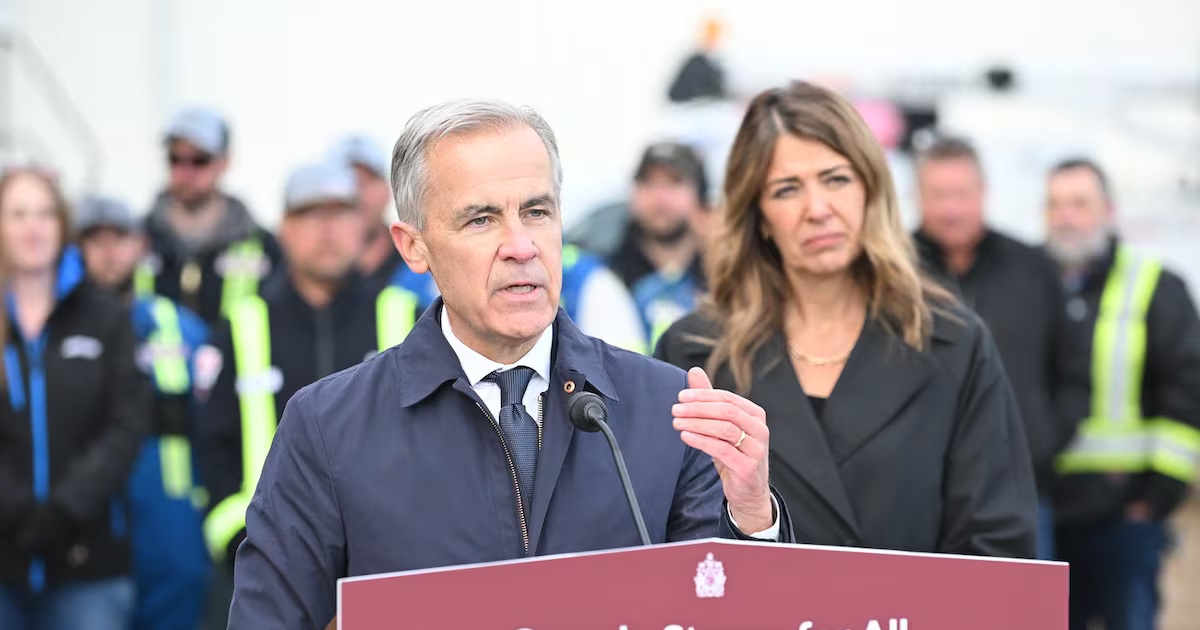
Albertans head to polls in historic referendum on whether they want to stay in Canada
1 day ago
 Canada
In the news today: four soldiers killed, Alberta referendum, AI privacy fears
1 day ago
 Canada
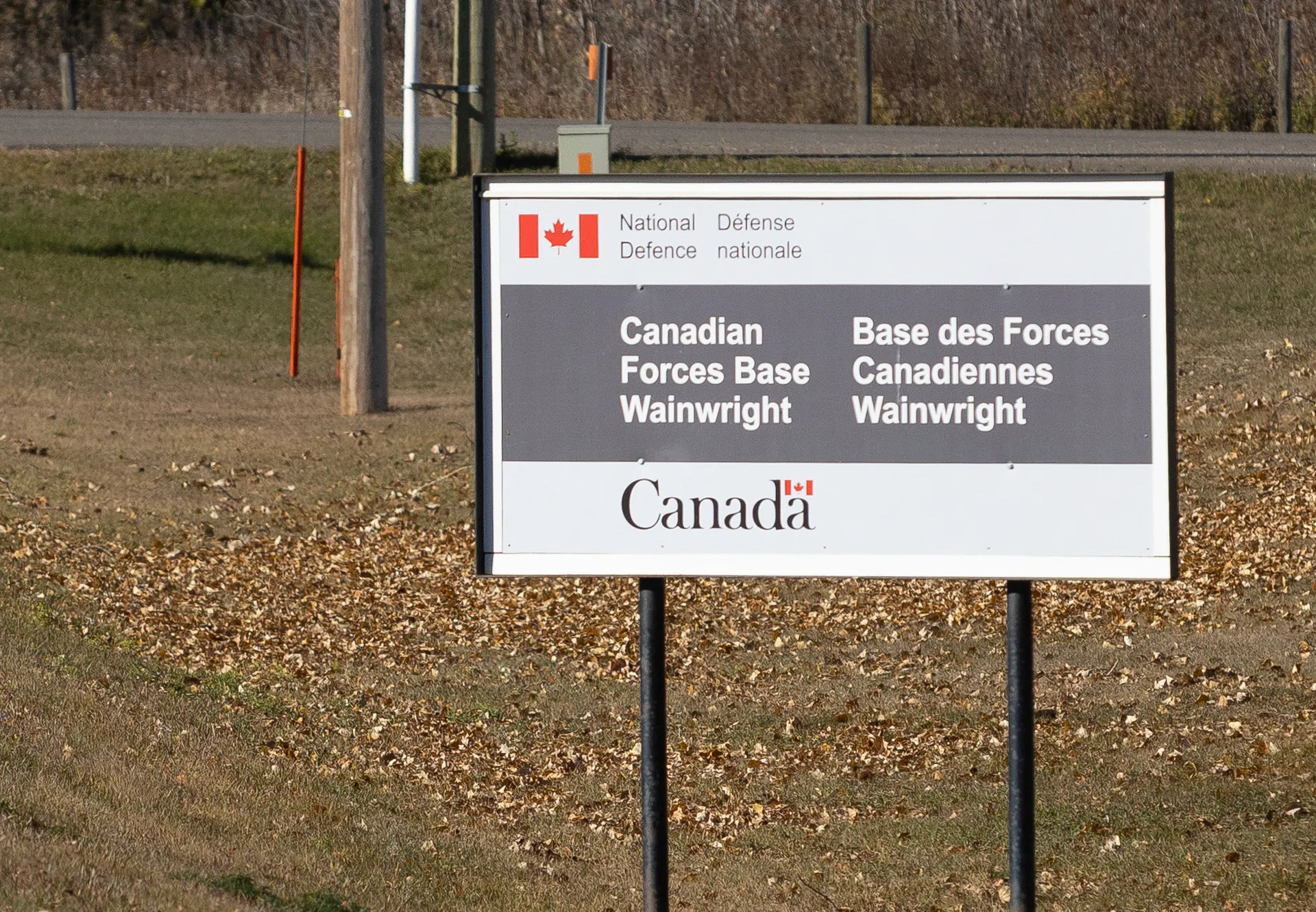
How a grass fire at a Canadian military base killed four soldiers
1 day ago
 Canada
How will household electricity rebate reduction, temporary winter pricing change impact Ontarians?
1 day ago
 Canada
Residents told to boil tap water due to bacteria
1 day ago
 Canada
Oil
1 day ago
 Canada
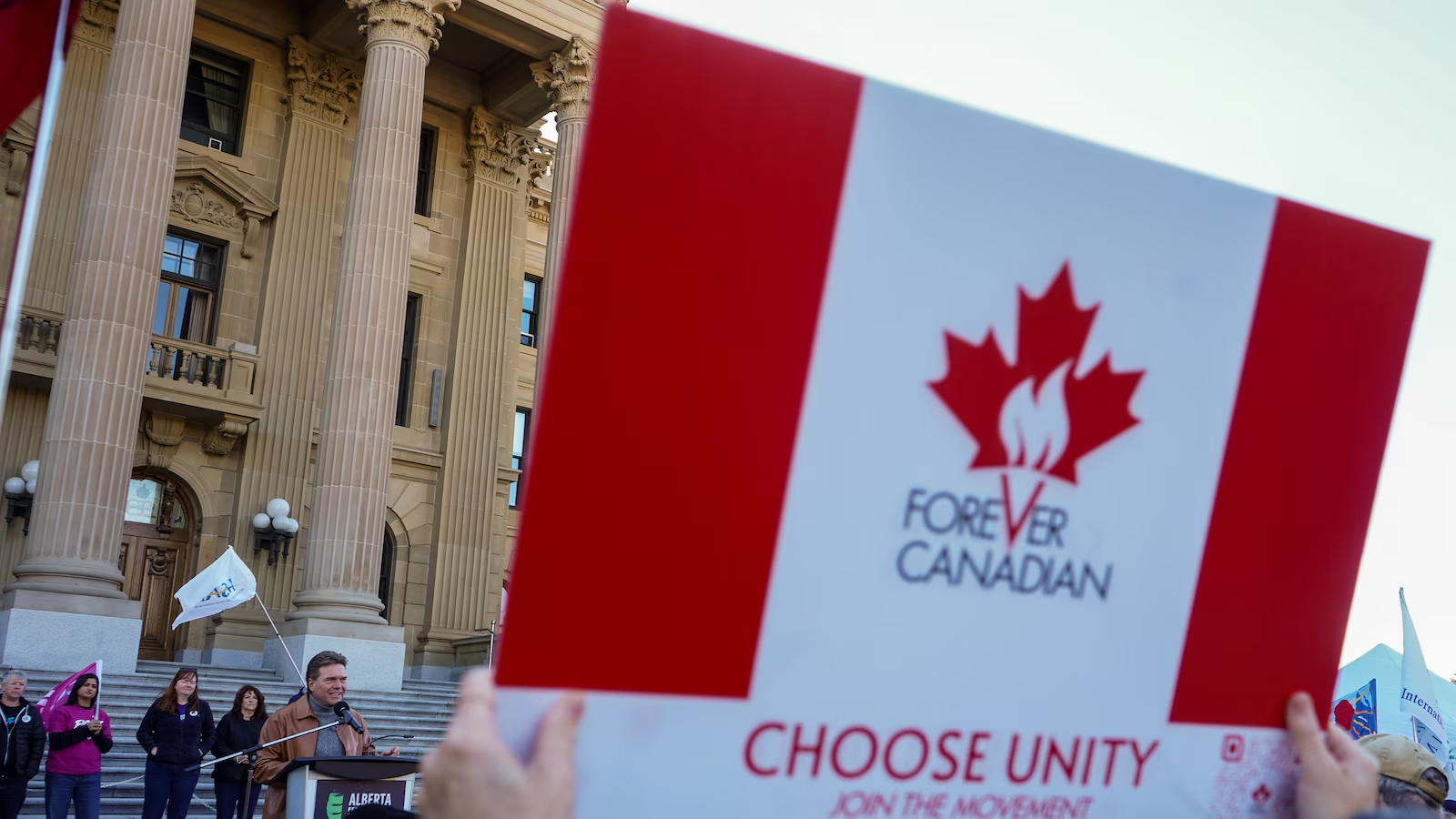
Albertans vote on path to independence as Carney fights to keep Canada united
1 day ago
 Canada
Two of 4 soldiers killed in fast
1 day ago