
New guidance recommends starting substance use education in kindergarten
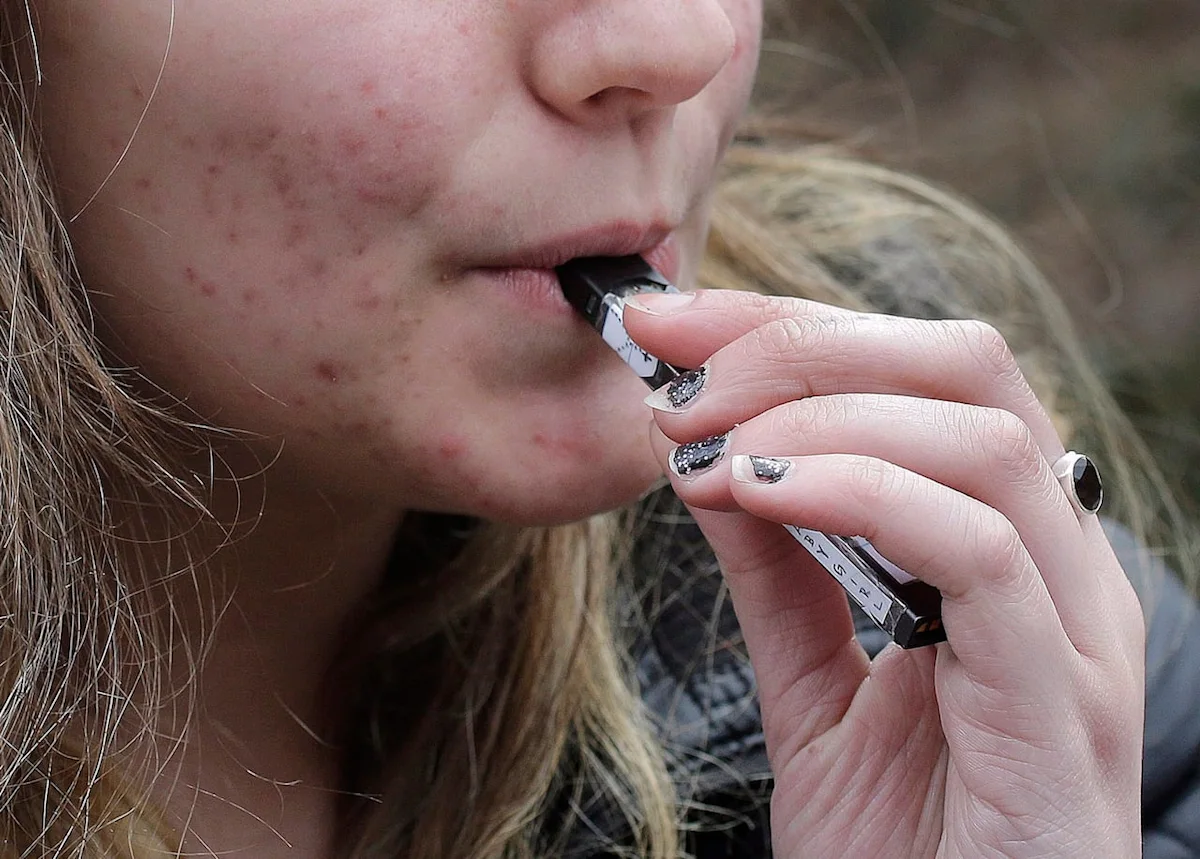
A new framework to develop guidelines around substance use in schools recommends beginning prevention and education efforts efforts as early as kindergarten.
The framework, dubbed Anchoring Change, was developed by a team that comprised academics, addictions researchers and school system administrators.
It is aimed at helping school administrators change their substance-use policies and shift away from a punitive approach to youth substance use — which previous research has found to be ineffective — and toward one that prioritizes community supports.
Emily Jenkins, the scientific director of the Canadian Centre for Innovation in Child and Youth Mental Health and Substance Use, said substance-related deaths were the leading cause of mortality for people aged 10 to 18 across Canada.
The last national survey on alcohol and drug use among Canadian students showed a sharp rise in youth using multiple drugs at the same time, she said.
"By intervening or developing strategies — to begin that early prevention around kindergarten, and then continuing through the primary and secondary school grades — we can help to shift some of those trajectories," she said.
"[That's] by identifying issues early and providing supportive types of guidance for schools before problems emerge."
She also said a previous survey of school principals and vice-principals found that they were spending more time dealing with substance use in K-12 settings.
That study found that higher rates of substance use, as well as the complex issues being faced by youth, meant that administrators felt they didn't have enough clear guidance to deal with the issue.
"Schools are an ideal place ... to build those protective skills that last throughout the life course," Jenkins said.
"So that as young people grow, you know, they have the supports that they need."
Danya Fast, a research scientist with the B.C. Centre on Substance Use, said the guidelines weren't recommending detailed drug education to kindergarteners.
"What I really think is so important about these guidelines is that belonging, community, connection, meaning — these are framed as really important components of prevention," she said.
"Those are things that we can start to build right from the very beginning of school, in kindergarten," she added.
The framework recommends that school administrators shift towards prioritizing harm minimization and recognizing substance-use warning signs in older children.
Fast said parents and adults shouldn't aim to push youth away if they are dealing with substance use, and instead look to draw them in.
She argues that's why the framework recommends building relationships as early as kindergarten.
"Those very relationships are actually the intervention if substance use emerges, because those are the people that kids may feel comfortable talking to, opening up to, asking for help," the researcher said.
"Those relationships actually become one of the most life-saving pieces in the context of the toxic drug supply, as well as a critical piece of prevention."
The last Canadian Student Alcohol and Drugs Survey, conducted in 2023-24, found that alcohol was the most widely-used substance by students, followed by vapes and cannabis.
Last year, the B.C. Coroners Service said that 25 youth, below the age of 19, died due to toxic drugs.
Related Stories
 Education
Anti-government protests sparked by Kushner
11 hours ago
 Education
‘Pretty shoddy’: Prof says N.B. education plan attributes to him an article that doesn’t seem to exist
1 day ago
 Education
Kamal Mitra Chenoy: JNU professor’s education, career and why he is in the news?
2 days ago
 Education
French police detain teen pupil suspected in school shooting in which 2 were wounded
4 days ago
 Education
Mum of disabled girl tells of 'fight' for childcare
4 days ago
 Education
PTM politics hots up; teachers say education taking back seat
1 week ago
 Education
(1) French high school protests continue despite PM’s promise of action
1 week ago
 Education
French police suspend use of stun grenades at school protests as minister rejects accusations of brutality
1 week ago