
2026 will not be the time to swing for the fences as investors

As we look toward 2026, one theme stands out above all others: liquidity. It has always been a critical driver of market dynamics, but today it feels more important than ever. The reason lies in the changes taking place across both corporate and government balance sheets.
Large U.S. technology firms who were once celebrated as cash-flow machines with fortress-like balance sheets are now leveraging up aggressively to fund massive capital expenditures in artificial intelligence. These companies, which are major drivers of U.S. stock market performance, are pouring billions into AI infrastructure, data centres, and advanced computing. To finance this unprecedented buildout, they have shifted from relying on cash reserves to tapping debt markets, pushing combined interest-bearing obligations to US$1.35 trillion. This trend introduces new risks and dependencies into markets that previously relied on these companies as sources of stability.
Government deficits and short-term funding risks
Governments are following a similar path. The U.S., for example, continues to run deficits at levels reminiscent of a financial crisis. Much of this deficit financing is occurring through the issuance of Treasury bills at the short end of the curve, where rates remain much lower than longer-term maturities. While this strategy minimizes borrowing costs in the near term, it raises concerns about market saturation.
If the supply of short-term Treasury bills overwhelms market demand, repurchase, or repo, rates could spike sharply, signalling stress in funding markets. Elevated repo rates often cascade through the financial system, increasing borrowing costs for banks and dealers, tightening credit conditions and amplifying volatility in money markets. Such disruptions can spill over into broader asset classes, as leveraged investors face higher financing costs and margin pressures.
In this scenario, the U.S. Federal Reserve would likely have to intervene by purchasing a significant portion of the excess issuance. While this action would restore short-term liquidity, it carries profound implications including a loss of confidence in the Fed’s ability to normalize policy and a perceived return to accommodative measures. Intervention to cap repo rates might also conflict with the Fed’s stated inflation-fighting stance, potentially eroding policy credibility.
Fed policy dynamics, currency and hard assets
Complicating matters further are political dynamics within the Fed itself, which may see infighting between a President Donald Trump pick advocating for rate cuts versus governors favouring tighter policy to combat inflation.
Such a split could lead to more contentious Federal Open Market Committee meetings, slower consensus-building and increased uncertainty for markets. Investors closely watch Fed unity as a signal of policy predictability; visible discord could amplify volatility in rates and risk assets.
Bond markets, however, are unlikely to remain passive observers. We at TriVest Wealth Counsel expect them to push back against excessive easing, which could result in a steepening yield curve and signalling expectations of higher long-term rates and concerns about inflation and fiscal sustainability.
This environment would likely weaken the U.S. dollar and accelerate currency debasement, a trend that historically benefits hard assets such as gold and silver. Both metals have already delivered strong performance in 2025, so some of this optimism may be priced in. Nevertheless, we think this trade isn’t over until we see a reversal in U.S. policy, which may not happen until after the midterm elections.
Related Stories
 Stocks & Markets
Goldman Sachs Delivers Surprising Verdict on Big Tech Stocks
2 days ago
 Stocks & Markets
5 European success stories investors initially passed on
2 days ago
 Stocks & Markets
Can BWX Technologies' Nuclear Manufacturing Expansion Support Growth?
3 days ago
 Stocks & Markets
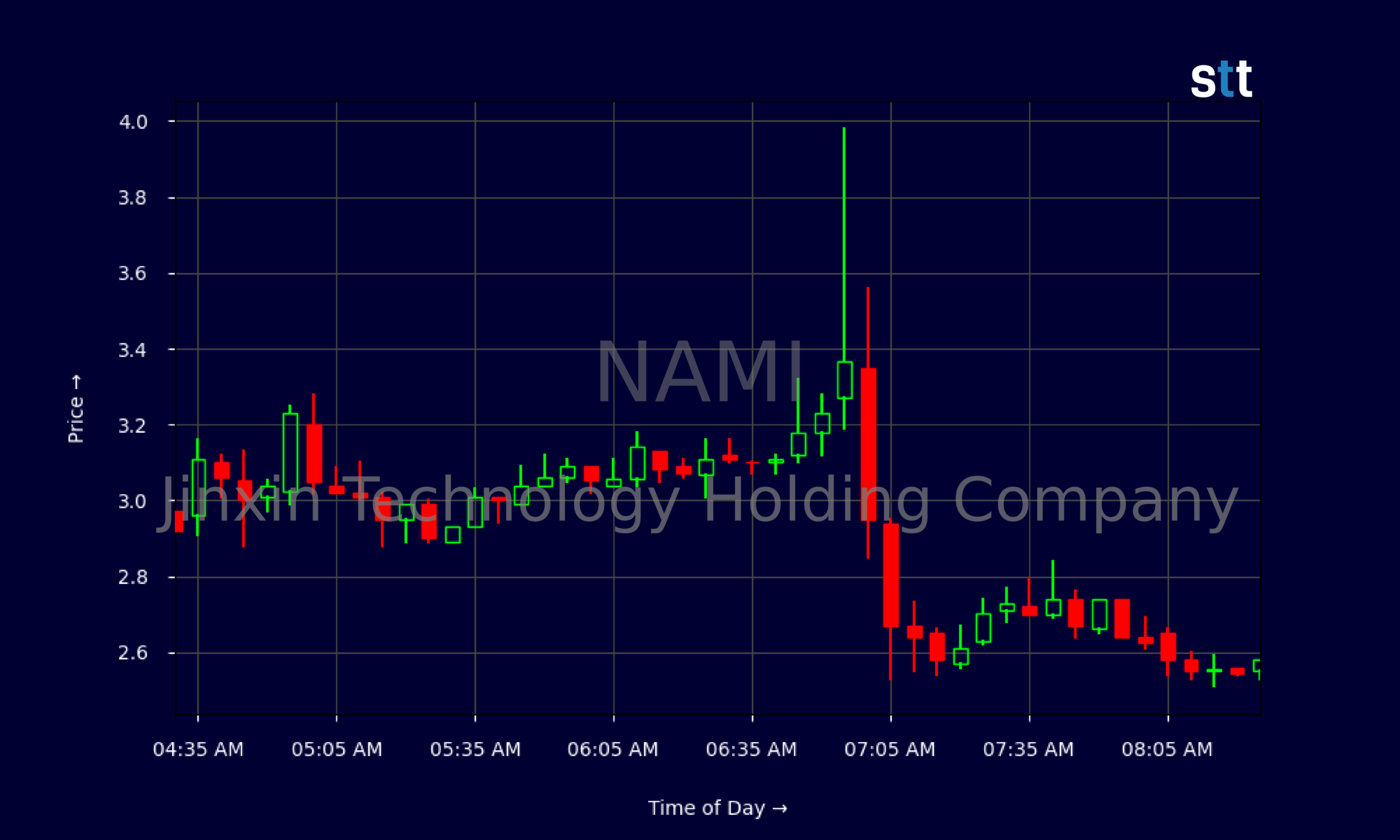
NAMI Stock Draws Trader Focus After Sharp Intraday Reversal
3 days ago
 Stocks & Markets
Market sees biggest fall in 11 months, crashes over 2%; what should SIP investors do?
4 days ago
 Stocks & Markets
How investors can distinguish market expertise from independent investment analysis
4 days ago
 Stocks & Markets
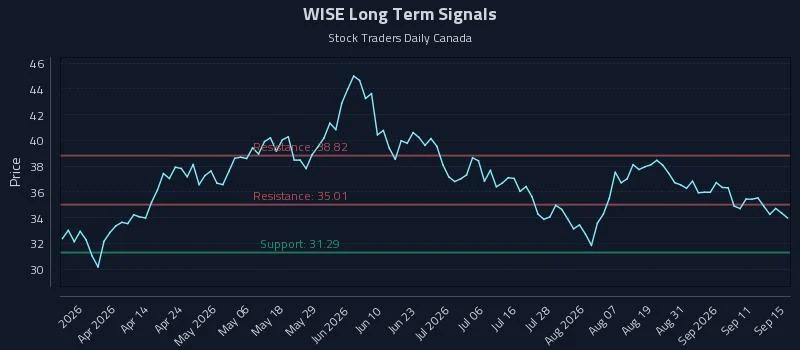
Precision Trading with Themes Generative Artificial Intelligence Etf (WISE) Risk Zones
4 days ago
 Stocks & Markets
'Liberation Day' in Retrospect: 6 Things That Surprised Investors
5 days ago